Article
24 August 2026

Where Curiosity Leads: Lessons from Years of Learning
little boy in school uniform looking through a magnifying glass

Education is always changing, with new ideas and approaches regularly appearing all the time. But some ideas last because they are based on something simple: children learn best when they are interested, engaged and curious. 

At the William Henry Smith Foundation, curiosity-led learning has been part of our practice for many years. We have always understood the importance of creating meaningful experiences that interest them and give them an active role in their learning. 

Curiosity is at the heart of teaching and learning across the Foundation. It reflects our commitment to "botheredness" and to making young people genuinely interested in what they are learning.  

Curiosity engages young people to ask questions, explore and make sense of the world around them. When pupils are curious, they become “bothered” enough to find things out more and take ownership of their learning.  They move beyond simply completing a task to becoming active learners.  We develop curiosity because it is a starting point for developing character.

Curious learners ask questions, seek understanding, embrace challenge and think about what they have experienced. These habits help them become resilient, respectful, courageous and compassionate individuals who are equipped to thrive in school and beyond.

Laura Robinson, Vice Principal-Education

Children are natural explorers 

Children are naturally curious. They want to explore, investigate, touch, look, listen, ask questions and find things out. 

We create opportunities for our pupils to do this in ways that work for them. This might be through sensory experiences, real-life objects, open-ended activities or simply giving them the time and space to explore something that has caught their attention. 

These experiences can help build confidence, communication, independence and problem-solving skills, as well as giving children a real sense of achievement. 

latest-information-curiosity-1200x800.jpg

The environment matters 

We think carefully about the spaces our pupils learn in and the resources we provide. 

The Reggio Emilia approach describes the environment as the ‘third teacher’. We see this in practice every day. The right environment can encourage children to explore, make choices and become interested in what is around them. 

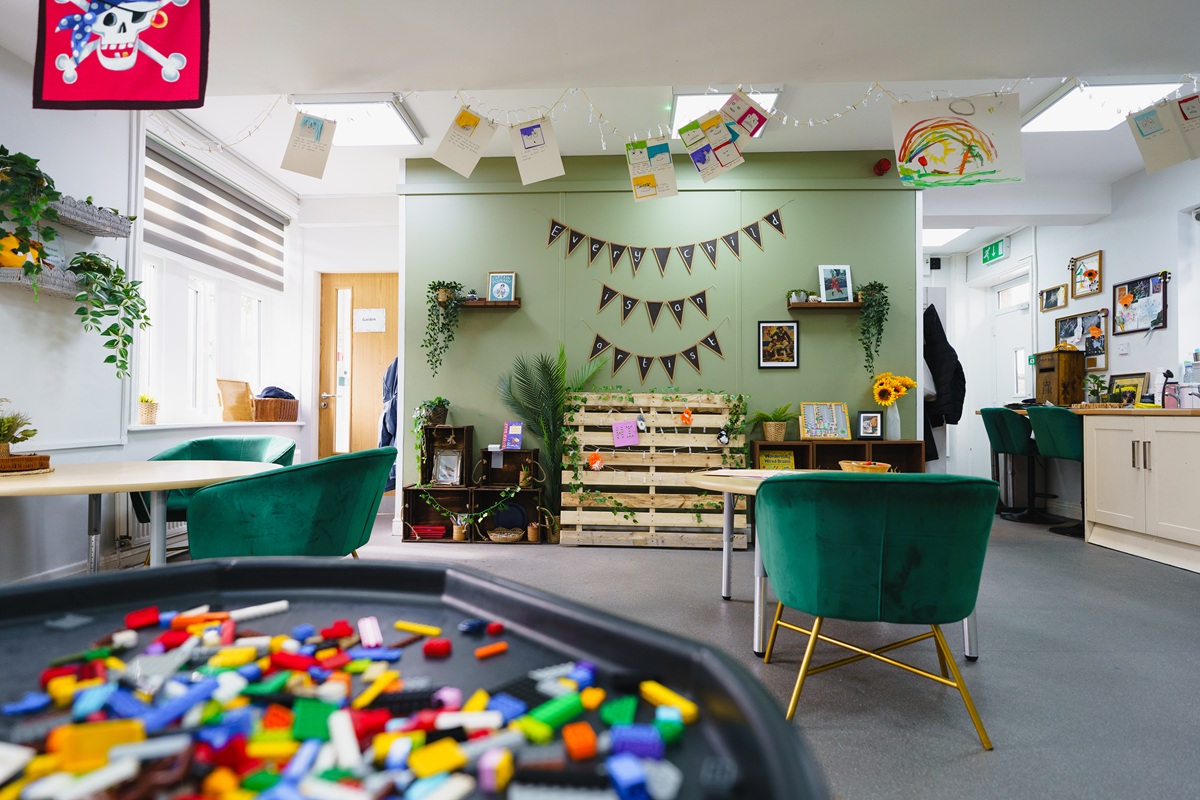
Our classrooms include provocation tables, wonder shelves, investigation areas and open-ended activities. We use real-life objects and authentic resources wherever possible, rather than filling our spaces with lots of toys and equipment. 

Sometimes, less really is more. A simple object can spark a question, an idea or a whole investigation. 

Our environments are there to invite children to explore and find out more. 

latest-information-curiousity-spaces-1200x800.jpg

Following each child's interests 

As a specialist setting, we know that every learner is different. 

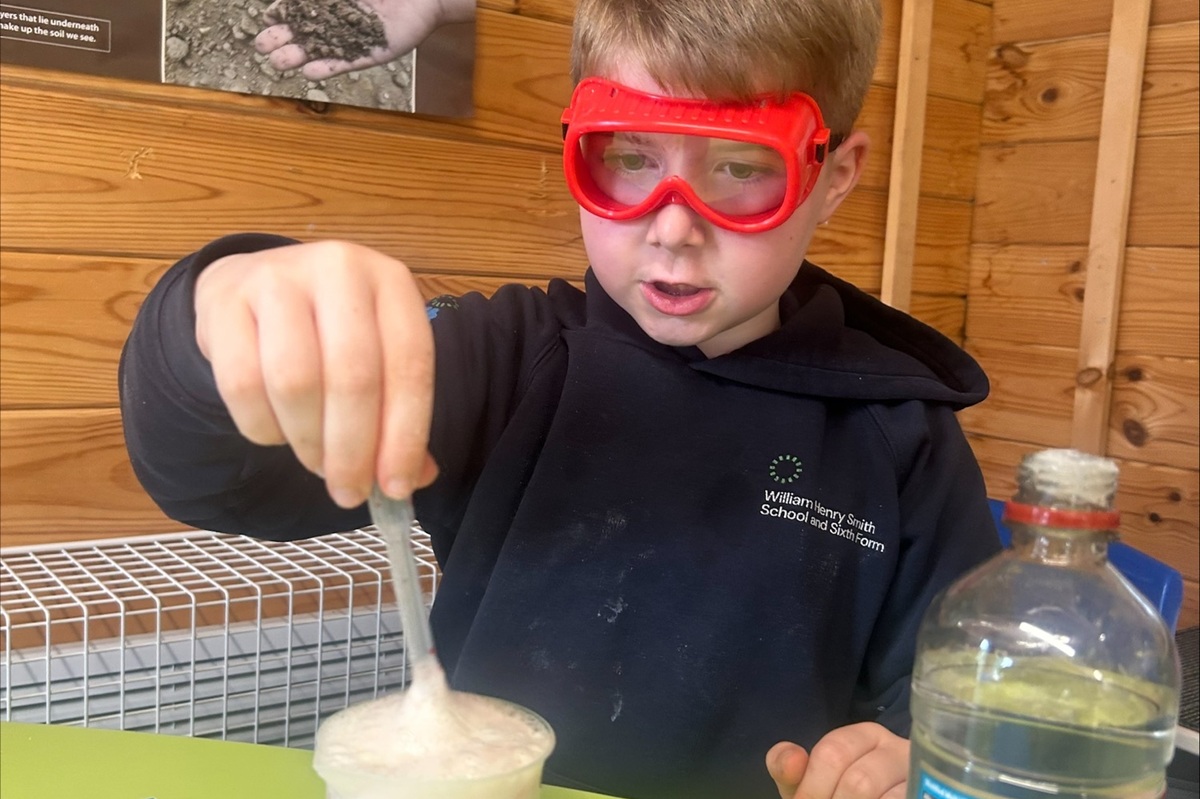
Curiosity looks different for every child. Some pupils might ask lots of questions or use language to show their interest. Others might explore through their senses, observation, movement or interaction with objects. 

Whether engaging in sport, the arts, outdoor learning, community projects or careers experiences, curiosity motivates pupils to step outside their comfort zone, make connections with the wider world and reflect on their own growth.  

Our enrichment curriculum helps develop the character, knowledge and skills that enable every young person to flourish both in school and throughout their lives.

latest-information-curiosity-experiment01200x800.jpg

The role of adults 

Our staff are not simply there to provide activities or tell children what to do. They are observers, facilitators and curious learners alongside our pupils. They watch carefully, listen and follow children's interests. This helps staff understand what motivates each pupil, how they communicate and what they are trying to achieve. 

It also helps to build strong relationships between adults and children. 

What we've learnt along the way 

After many years of using curiosity-led learning in our setting, there are a few things we have learnt. 

  • Curiosity looks different for everyone: There is no right or wrong way to be curious. Every child will show their interests in their own way. 

  • Relationships are key: Children need to feel safe and supported. Positive relationships with trusted adults give them the confidence to try new things, take risks and keep going when something is difficult. 

  • Less can be more: We don't need lots of resources to create a good learning experience. Carefully chosen objects and materials can encourage children to use their imagination and explore in different ways. 

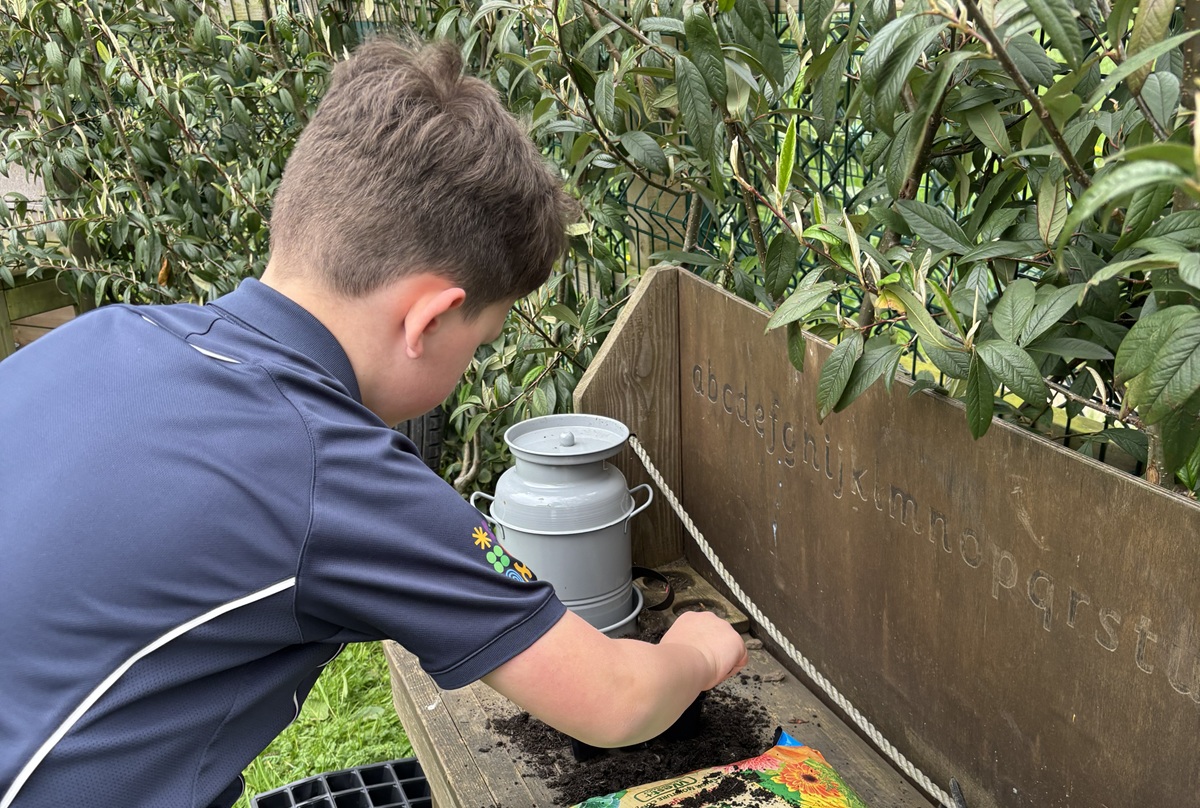
  • Learning happens everywhere: Learning doesn't only happen in the classroom. Outdoor learning, real-life experiences and time spent in the wider community can all provide valuable opportunities to learn. 

  • Independence grows through opportunity: When children are given the time and space to have a go for themselves, they can often achieve much more than we expect. 

  • Curiosity supports wellbeing: We have seen the difference curiosity-led learning can make to engagement, wellbeing and progress. It has become an important part of our school culture and the provision we offer to our pupils and families.

Whether it is a provocation table, a story, an outdoor experience, a real-life object or something as simple as following a child's question, we look for ways to make learning meaningful. 

For us, curiosity-led learning is not just an approach or something we do in certain lessons. It is part of our school culture and the way we think about learning.  We believe that every child and young person, regardless of age, has a right to play, and that opportunities for play, exploration and enjoyment are an essential part of learning and life across the Foundation.

Karl Adamski, Co-Principal, Foundation

SHARE

  • Related Posts